Skip to content

Assessment before commitmentIncremental, tested migration

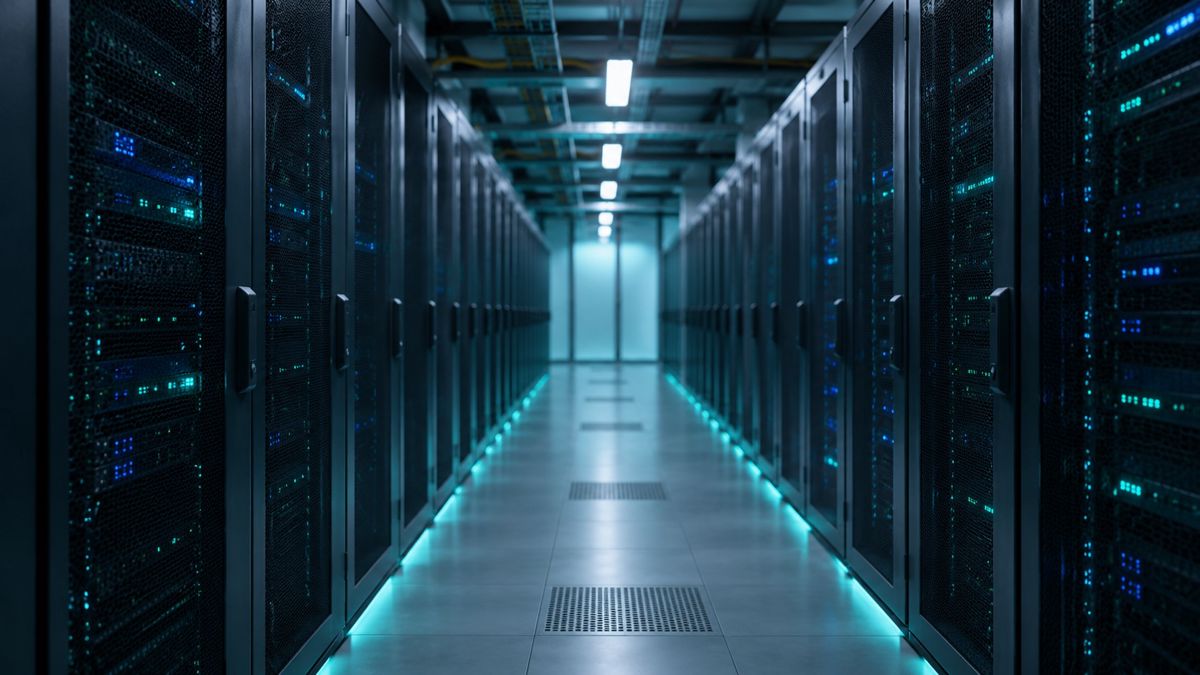
Rows of server racks in a data center aisle

COBOL modernization

COBOL modernization that keeps business behavior intact

We document what your COBOL does, capture its behavior in tests, then migrate it to Java or C#, wrap it with APIs, or leave it in place, program by program.

  • Behavior captured in tests before changes
  • Translate, rewrite, wrap or retain
  • Batch, CICS and copybooks covered

Why is COBOL modernization hard, and where do you start?

COBOL systems are hard to change because the knowledge is in the code, not in documents. Business rules sit inside paragraphs written decades ago, spread across copybooks, JCL job streams and CICS transactions, with data held in fixed-width records and packed decimal fields. The people who wrote it have often left.

The safe starting point is understanding. We inventory programs, copybooks, jobs and files, find what is dead, and trace how data flows from input to output. Then we capture current behavior with characterization tests built from real inputs and outputs, so any later change can be compared with what the system does today.

Only then do we decide what to do with each program. Some are translated, some rewritten, some wrapped behind an API, and some kept. The wider context is covered on our mainframe modernization page.

Four ways to treat a COBOL program

What it meansSuits
Retain and wrap Keep COBOL, expose an APIStable, rarely changed logic
Replatform Same code, new runtimeFast exit from hardware
Translate Tool converts to Java or C#Large, regular code bases
Rewrite Re-implement from rulesRules are valuable, code is not

What makes COBOL different to migrate

These technical details decide whether the new code behaves like the old.

  • Decimal arithmetic

    Packed decimal fields and fixed-point rounding rules must be reproduced exactly. Floating point in the target language gives different cents.

  • Data layout

    Copybooks define record structures, redefinitions and character encodings. Converting them is a data task as much as a code task.

  • Batch scheduling

    JCL, job dependencies and restart logic carry business timing. Nightly cycles often matter more than any single program.

  • Online transactions

    CICS screens and transaction flows need a defined replacement for session handling, security and error behavior.

  • Generated code quality

    Automatic translation can produce Java that mirrors COBOL structure and is hard to maintain. We plan cleanup time for it.

How a COBOL migration is run

The pilot is a real program set, small enough to finish and typical enough to teach us the rest.

  1. Inventory and analysis

    We catalog programs, copybooks, JCL, CICS transactions and files, then build call and data-flow maps with static analysis and your experts.

  2. Characterization tests

    With your approval we record inputs and outputs from production-like runs and turn them into automated tests that define current behavior.

  3. Pilot slice

    One batch chain or transaction is migrated and run beside the original. Outputs are compared record by record.

  4. Phased migration

    More slices move in agreed groups. Each phase has a rollback point and a sign-off from the business owner.

  5. Decommission

    After a stable parallel period, the old programs and jobs are retired in writing, and documentation is handed over.

Risks and limits

Translation tools shorten the work but do not remove the need for testing. Any difference in rounding, truncation or sort order can change a financial or regulatory result, which is why parallel comparison is central.

  • Tests built from past data only cover cases that happened. Rare year-end or exception paths need extra attention.
  • Source code is sometimes missing or out of sync with what runs. We check this early.
  • Cost, duration and savings depend on the estate and cannot be promised in advance.

If the COBOL works, changes rarely and the platform is supported, retaining it and exposing it through APIs can be the sensible choice. See legacy application modernization for how we choose between options.

COBOL modernization FAQs

Should we translate COBOL to Java or rewrite it?

It depends on the code. Translation suits large, regular programs where speed matters and maintainability can be improved later. Rewriting suits cases where the business rules are valuable but the code structure is not. Many estates use both, chosen program by program after analysis.

How do you test that behavior is unchanged?

We build characterization tests from captured inputs and outputs, then run old and new code on the same data and compare results exactly, including rounding and record order. Differences are investigated, and the business owner decides what is a defect and what is accepted.

Do you need access to our mainframe?

We need source, copybooks, JCL and representative data, handled under your access rules and, if you wish, a mutual NDA. Where policy forbids copying production data, we work with masked or synthetic data and say plainly what that limits in terms of test coverage and confidence.

Can COBOL and new services run together?

Yes, and this is usually how migrations proceed. Existing programs are exposed as services while selected ones are replaced one at a time. The mainframe stays in service until each replaced piece has been proven in a parallel run, and the data ownership for each stage is written down before it starts.

What about the shortage of COBOL skills?

It is a real planning risk. Documenting the code and moving the highest-change areas first lowers dependence on a few people, and characterization tests keep knowledge in a form that outlasts them. Where data is affected, our database modernization work covers the storage side.

Send us a description of the estate

Tell us what the COBOL system does and where it runs. Message us on WhatsApp at +92 326 5200333 or use the request form. A mutual NDA can be in place before any source is shared.

What to send

  • Business function of the system
  • Runtime: z/OS, CICS, batch, other
  • Approximate lines of code and program count
  • Target language and cloud, if decided
Chat on WhatsApp Request a code audit

Please do not send source code or data in the first message.

Have COBOL nobody wants to touch?

Send the request form or message us on WhatsApp with the runtime, rough size and what the programs do.

Chat on WhatsApp